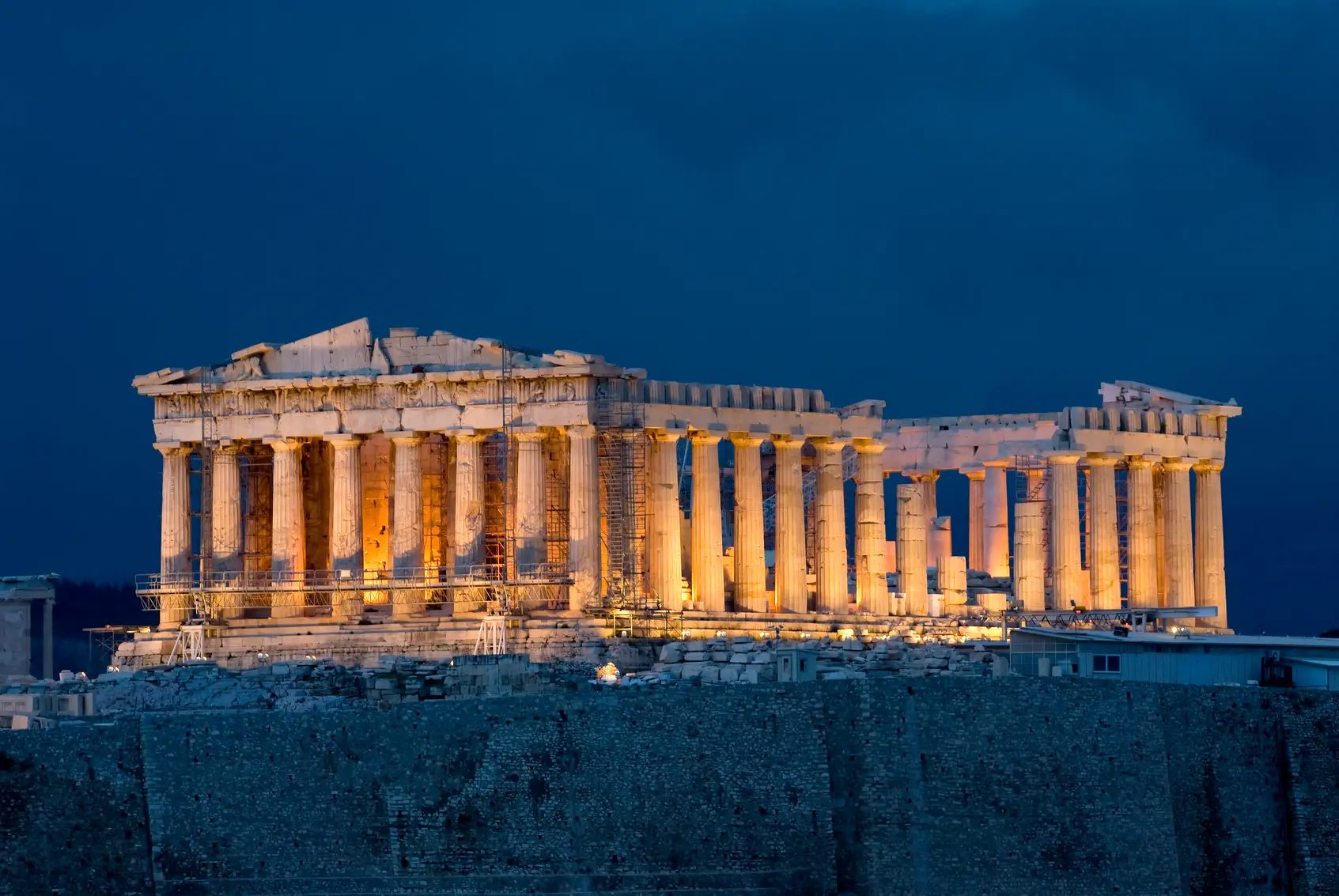
Standing on the edge of the Acropolis plateau, looking out over Athens after climbing those ancient marble steps, is genuinely awe-inspiring. The Parthenon rises before you exactly as it has for nearly 2,500 years—a reminder of just how far back human achievement reaches. Whether it's your first time in Athens or your fifth, this ancient citadel and its outstanding museum deserve serious time on your itinerary.
This guide walks you through what to expect, when to go, how to navigate the ticketing system, and how to actually make the most of your visit without getting lost in the crowds.
What You're Actually Visiting
The Acropolis itself is the sacred citadel perched high above the city—home to the Parthenon, the Erechtheion with its iconic Caryatid sculptures, the Temple of Athena Nike, and the Propylaea gateway. These aren't just old buildings; they're the physical embodiment of how ancient Athenians saw themselves and their relationship to the gods.
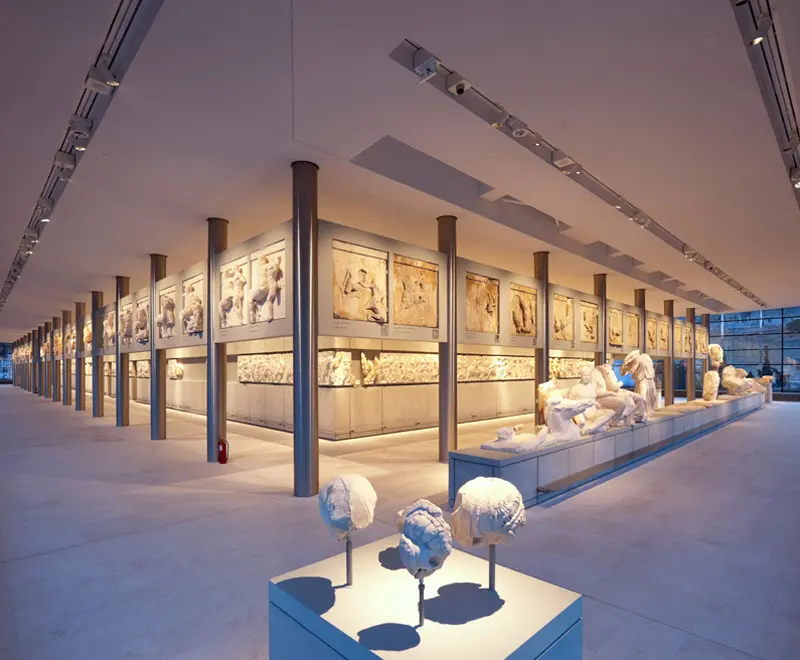
The Acropolis Museum sits at the foot of the hill and is frankly as important as the site itself. Inside, you'll find the sculptures, friezes, and artifacts that once decorated the temples above. The museum's glass floor lets you see ancient neighborhoods beneath your feet, creating this strange, time-warping experience where past and present overlap. It's modern museum design at its best.
Note: You'll need separate tickets for each site—there's no combined pass. Budget €30 for the Acropolis and €20 for the museum.
Getting There
Finding your way to the Acropolis is straightforward. The nearest metro stop is Acropoli on the M2 (Red Line), though you could also use Monastiraki (M3/Blue Line) or Thissio (M1/Green Line) and just walk up through the charming streets of Plaka. The hill is impossible to miss.
The museum sits on the southern slope, just a two-minute walk downhill from the main Acropolis entrance on Dionysiou Areopagitou Street.
What to bring: Comfortable shoes with solid grip (ancient marble gets slippery). Definitely bring water, sunscreen, and a hat—there's almost no shade up there, and the sun reflects brutally off the white marble. Locals know this; tourists learn it the hard way.
Opening Hours & Best Times to Visit
The Acropolis keeps seasonal hours that shift throughout the year. Generally, it opens at 8:00 AM and closes sometime between 5:00 PM (winter) and 8:00 PM (summer). Your last entry is 30 minutes before closing. The museum has similar seasonal variations—always check before you go.
Free entry days: March 6, April 18, May 18, the last weekend of September, October 28, and every first Sunday from November through March. These days are absolutely rammed with locals and tourists alike, so plan accordingly.
The hill is closed on January 1, March 25, May 1, Easter Sunday, December 25, and December 26.
The sweet spot? Get there at 8:00 AM if you can. Your legs will thank you for the early start, and you'll have the ancient marble almost to yourself for the first hour. Bring coffee if you need it.
Tickets & Booking
Here's where you need to be smart about planning. Both the Acropolis and museum require advance booking via their official websites—walk-up tickets still exist, but during peak season you might waste an hour just buying them.
For the Acropolis: Head to etickets.tap.gr and book your time slot in advance. A full adult ticket costs €30 (peak season) or €15 (winter/off-peak). You must arrive within your designated time window. If you're visiting on a free entry day, you can skip the booking but expect serious crowds.
For the museum: Go to e-tickets.theacropolismuseum.gr and book a ticket (€20 for adults, €10 for students). EU citizens under 25 get in free, as do children under a certain age.
Pro tip: Book the earliest time slot (8:00 AM). You'll beat the heat, skip 90% of the crowds, and have the sacred hill almost to yourself. It's worth the early alarm clock.
Security checks can be thorough, and large backpacks might get restricted, so plan accordingly. You'll move through a metal detector as you enter.
What to Actually See
If you've got 2-3 hours for the Acropolis itself, prioritize the Parthenon (the main temple dedicated to Athena), the Erechtheion with its Caryatid sculptures that are just breathtaking in person, the Temple of Athena Nike tucked into a corner, and the Propylaea gateway.
Less visited but equally interesting: the Theatre of Dionysus shows how ancient Athenians watched drama performances, and the Odeon of Herodes Atticus still hosts concerts and performances on summer nights. If you book tickets to an evening performance, you get to experience ancient acoustics and architecture exactly as intended.
At the museum, spend real time on the third floor in the Parthenon Gallery—the sculptures are displayed with monumental windows framing the actual Parthenon beyond. It creates this dialogue between what's inside and what's outside. The glass floor walkways let you see the ancient neighborhoods excavated beneath the museum, which is genuinely surreal.
Budget 1.5-2 hours for the museum if you want to actually absorb what you're seeing rather than just photograph it.
⭐ Best Visiting Strategy
Timing
- Early morning: First time slot (8:00 AM) for fewer crowds
- Late afternoon: 2-3 hours before closing for golden hour photos
- Avoid: Midday in summer (very hot with limited shade)
Perfect Day Plan
- Start at Acropolis (8:00 AM) - 2.5 hours
- Break for coffee at museum café - 30 minutes
- Explore Acropolis Museum - 2 hours
- Lunch in Plaka - nearby historic neighborhood
Photography Tips
- Golden hour: Early morning or late afternoon light is magical
- Scaffolding awareness: Some restoration work may affect views
- Respectful photography: No flash inside the museum
🚨 Important Reminders
- Separate tickets required for each site
- Weather dependent: Bring sun protection or rain gear
- Comfortable shoes essential - lots of walking on uneven ancient stones
- Stay hydrated - limited shade on the Acropolis hill
- Check for updates - restoration work may occasionally affect access
Final Thoughts
The Acropolis and its museum represent something genuinely significant—not just as tourist attractions, but as tangible connections to a civilization that shaped how we think about democracy, art, and human potential. You'll see millions of photographs of the Parthenon online, but standing in front of it, with the city sprawling below, is different. The scale hits you.
Go early, take your time, actually look at the details. Don't just tick boxes on a photography list. This is the stuff that lasts thousands of years because people actually cared about doing it right.