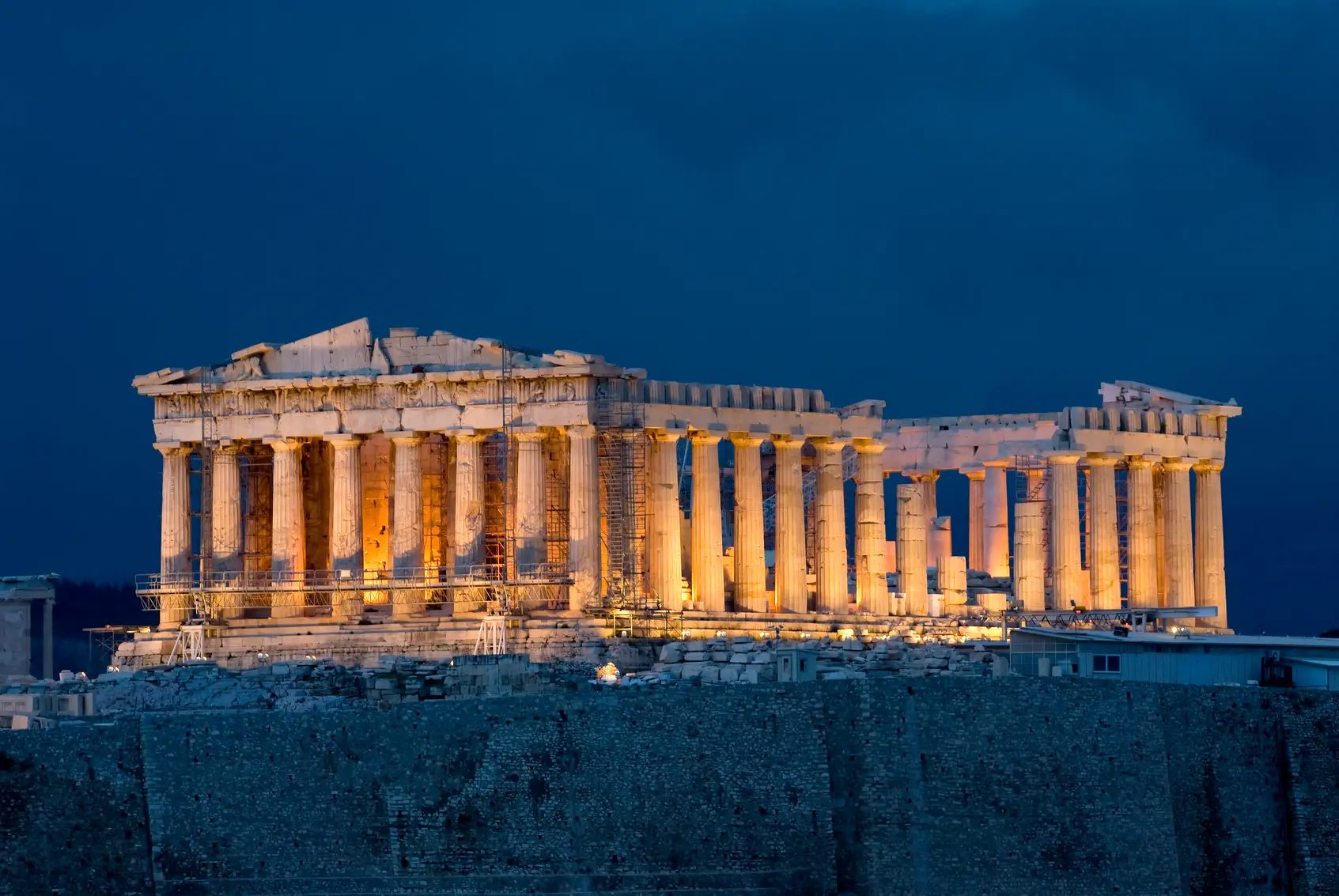
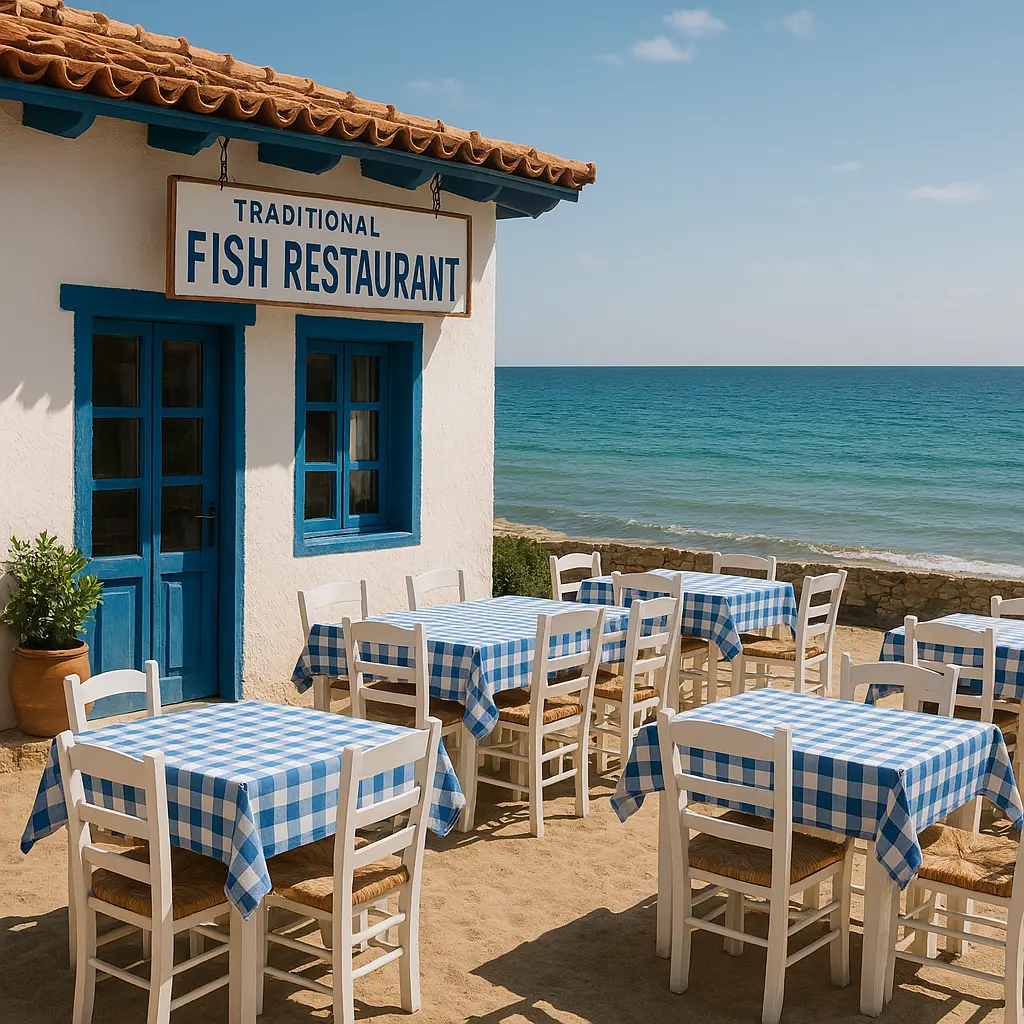
The weather in Greece decides a lot more than what goes in your suitcase.
It decides whether the sea is actually pleasant, whether the taverna you bookmarked is open, and whether your ferry day runs smoothly or gets disrupted by wind. If you time things wrong, you can land in a beautiful place with half the services closed.
This guide is the practical version of Greek weather and seasonality: when to swim, when ferries are easiest, and when islands feel alive versus quiet.
What Is Greece's Climate Really Like?
Greece is Mediterranean: hot, dry summers and mild, wetter winters. But it does not feel the same everywhere.
- The Cyclades are dry but windy in summer.
- The Ionian islands are greener and usually warm earlier in spring.
- Crete and Rhodes keep warm weather later into autumn.
- Northern mainland areas (like Thessaloniki) get a more obvious winter.
In summer (June-August), coastal temperatures often sit around 28-35°C with long stretches of sun. In winter, coastal daytime temperatures are usually around 10-16°C, with rainier periods.
If you plan inland mountain stops like Meteora, pack layers even in summer.
When Can You Comfortably Swim in Greece?
Short answer:
- Best overall for swimming: June to September
- Peak warm water: July to September
- Borderline but possible: late May and early October
July and August are the hottest and most reliable for beach-focused trips. June and September are usually the sweet spot: warm water, full services, and fewer crowds than peak August.
From November through April, swimming is mostly for hardy travelers. The sea is typically 15-18°C, and most visitors find it cold.
One useful detail: the Ionian Sea (Corfu, Kefalonia, Zakynthos) often warms a bit earlier than parts of the Aegean.
Which Month Has the Warmest Sea?
Usually September.
The sea holds summer heat, so water often feels warmer in September than people expect. Air is still warm, but less intense than August. That combination is why many repeat visitors prefer September over peak summer.
Early October can still be very swimmable in southern areas, especially Crete and Rhodes.
Meltemi Winds: What They Mean for Your Trip
The meltemi are strong northerly summer winds in the Aegean, especially in the Cyclades. They are most common from mid-June to August.
What this means in practice:
- Afternoon sea conditions can get rough.
- Some ferry routes may be delayed or cancelled.
- North-facing beaches can feel uncomfortable.
- South-facing beaches are often calmer.
The upside is real too: in high summer, the wind can make hot days much more bearable.
If your itinerary includes multiple islands in July-August, build buffer time between key connections. For live ferry updates, check Ferryhopper.
When Are Tourism Businesses Open?
This is where timing matters most.
- June-August: full operation almost everywhere
- April-May and September-mid October: very good coverage, some smaller places closed
- Late October-March: many seasonal businesses shut, especially on smaller islands
Large islands (Crete, Rhodes, Corfu) and cities (Athens, Thessaloniki) stay functional year-round because local life does not depend only on summer tourism.
For smaller islands in May or October, call ahead before assuming a hotel or restaurant is open.
How Ferry Schedules Change by Season
Ferry frequency follows demand and weather.
Summer (June-August)
- Maximum frequency on major routes
- More high-speed options
- Popular routes book out quickly
Shoulder season (April-May, September-October)
- Strong service on major routes
- Reduced frequency on minor routes
- Easier last-minute changes
Winter (November-March)
- Limited schedules, especially for small islands
- More weather-related cancellations
- Fewer alternatives on disruption days
Big islands keep year-round connections (for example Crete via Piraeus, Corfu via Igoumenitsa).
Use official operators or Ferryhopper, and keep return dates flexible in winter.
Best Months by Travel Style
For beach priority
July-August
For best balance of weather, crowds, and services
June or September
For lower prices and a more local pace
May or October
For easier island hopping
Late May-June or September
If you want one period that works for most people, late September to early October is often excellent value.
Best Islands for Off-Season Travel
Not all islands behave the same outside peak season.
More reliable year-round
- Crete
- Rhodes
- Corfu
- Hydra
Good in shoulder season (May/October)
- Santorini
- Mykonos
- Naxos
- Paros
Very quiet in winter
- Folegandros
- Koufonisia
- Anafi
- other very small Cycladic islands
For off-season trips, googlementor.com helps you find places that locals use year-round.
Is Greece Cold in Winter?
Compared with northern Europe, winter is mild. Compared with summer beach expectations, it can feel cold.
Typical coastal winter range:
- Day: 10-16°C
- Night: 5-10°C
Athens remains great for city walking and museums. Beach plans are limited, but cultural travel can be excellent: fewer crowds and much lower prices.
Winter is ideal for trips focused on Athens and Meteora.
Greece Weather Quick Reference
| Month | Avg Temp | Sea Temp | Swimming | Crowds | Ferry Frequency | Business Status |
|---|---|---|---|---|---|---|
| Jan | 10°C | 15°C | No | Very Low | Minimal | Many closed |
| Feb | 11°C | 15°C | No | Very Low | Minimal | Many closed |
| Mar | 13°C | 15°C | No | Low | Limited | Reopening |
| Apr | 17°C | 17°C | Cold | Low-Med | Increasing | Opening |
| May | 22°C | 19°C | Fresh | Medium | Regular | Most open |
| Jun | 27°C | 23°C | Yes | High | Frequent | Full operation |
| Jul | 30°C | 25°C | Yes | Very High | Maximum | Peak operation |
| Aug | 30°C | 26°C | Yes | Very High | Maximum | Peak operation |
| Sep | 27°C | 25°C | Yes | High | Frequent | Full operation |
| Oct | 22°C | 22°C | Cool | Medium | Decreasing | Closing |
| Nov | 17°C | 19°C | No | Low | Limited | Many closed |
| Dec | 12°C | 16°C | No | Very Low | Minimal | Many closed |
Smart Planning Tips
- For guaranteed warm swimming, aim for late June through September.
- In July-August, book ferries and hotels well in advance.
- In winter, choose larger islands and mainland cities.
- In shoulder season, pack for warm days and cooler evenings.
- For island hopping in the Cyclades, always leave ferry buffer time.
Final Takeaway
Greece is easy to love in every season, but each season gives you a different trip.
If you want the strongest all-around balance, June and September are hard to beat. If you travel in winter, focus on culture, cities, and larger islands. If you travel in peak summer, plan ferries and accommodation early and expect crowds.
For map-based planning with seasonal context, visit googlementor.com.
Official Resources
- Ferry bookings and real-time updates: Ferryhopper
- Greek weather forecasts: Meteo.gr
- Sea temperature data: SeaTemperature.info
- Tourism calendar: Visit Greece